Soil Analysis
Understanding soil composition helps identify nutrient gaps and pH imbalances.
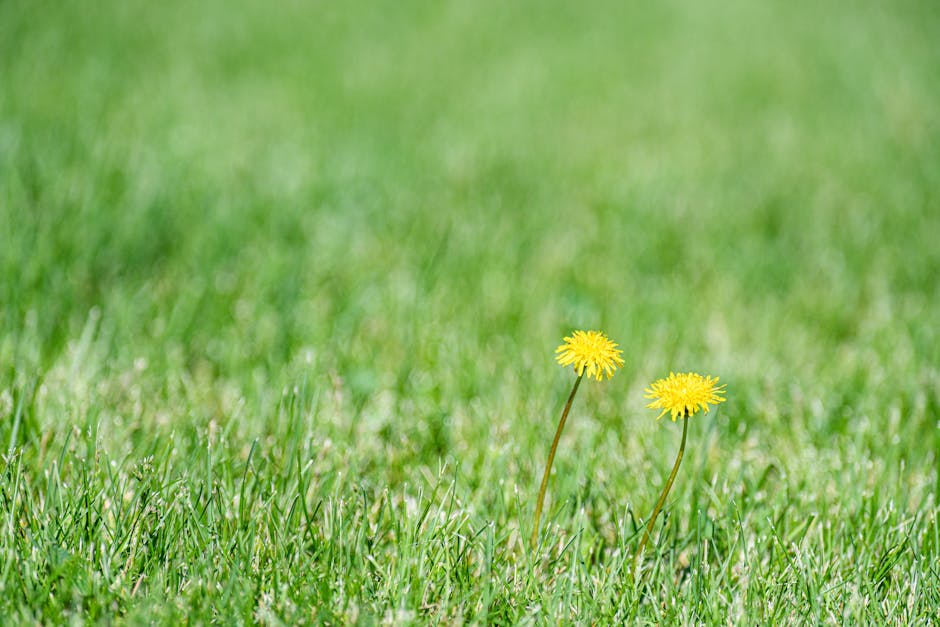
Learn about the common factors behind yellow patches, weed invasion, and uneven turf. This overview discusses observational approaches and methods such as soil testing and adjusting maintenance schedules to support lawn vitality. Results depend on individual conditions.
Yellowing grass can stem from various factors including nutrient deficiencies, soil compaction, or improper watering. Weeds often thrive in areas where turf is stressed or thin. Uneven growth may indicate variations in soil composition or sunlight exposure. Lawn Revival focuses on understanding these patterns through site assessment. For example, aeration can help relieve soil compaction, allowing roots to access oxygen and water more effectively. Scarification removes thatch build-up, creating space for new seed and air circulation. Overseeding introduces improved grass varieties that may better adapt to local conditions. Fertilization provides targeted nutrients based on soil test results. Each of these techniques is part of a broader maintenance framework, and their effectiveness depends on timing, climate, and ongoing care.
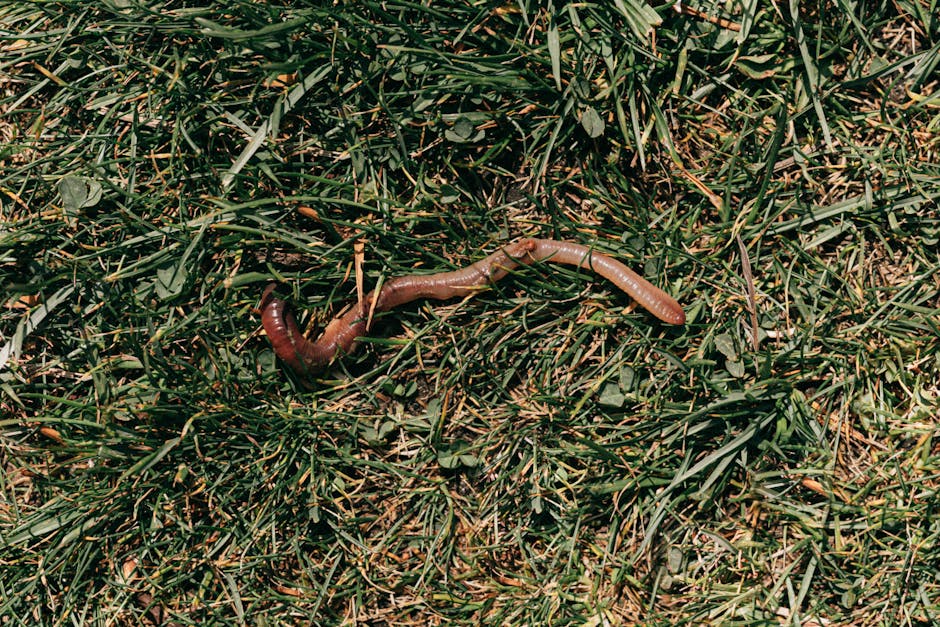
Understanding soil composition helps identify nutrient gaps and pH imbalances.
Recognizing weed species allows for targeted management approaches.
Adjusting irrigation schedules can reduce stress and uneven growth.
Aligning lawn care tasks with seasons supports natural cycles.

Lawn Revival provides informational resources and structured guides for homeowners addressing yellowing grass, weed issues, and uneven turf. We emphasize observation and measurement over quick fixes. Our framework includes step-by-step instructions for soil testing, aeration, scarification, overseeding, and fertilization. Each technique is explained in context, with notes on when and how to apply them based on local conditions. We do not guarantee outcomes but rather offer a systematic process that can be adapted to individual lawns. Environmental factors, grass type, and maintenance history all influence final results.
The appearance of a lawn is shaped by a combination of soil health, water management, sunlight exposure, and grass species. Yellowing can occur due to iron deficiency or overwatering. Weeds may appear when the turf is weak. Uneven growth often results from inconsistent mowing or soil compaction. Understanding these interactions is the first step toward a structured care plan. Lawn Revival’s materials help users identify and monitor these variables over time.
Lawn Revival offers detailed explanations of core lawn care techniques relevant to yellowing, weeds, and uneven growth. Our content covers the purpose and process of aeration, scarification, overseeding, and fertilization. Each guide includes information on equipment, step-by-step procedures, and seasonal considerations. We also discuss how to read soil test results and adjust care routines accordingly. The materials are designed to help users make informed decisions based on their specific lawn conditions. No two lawns are identical, and our approach respects that variability.